
EquiNectar USA

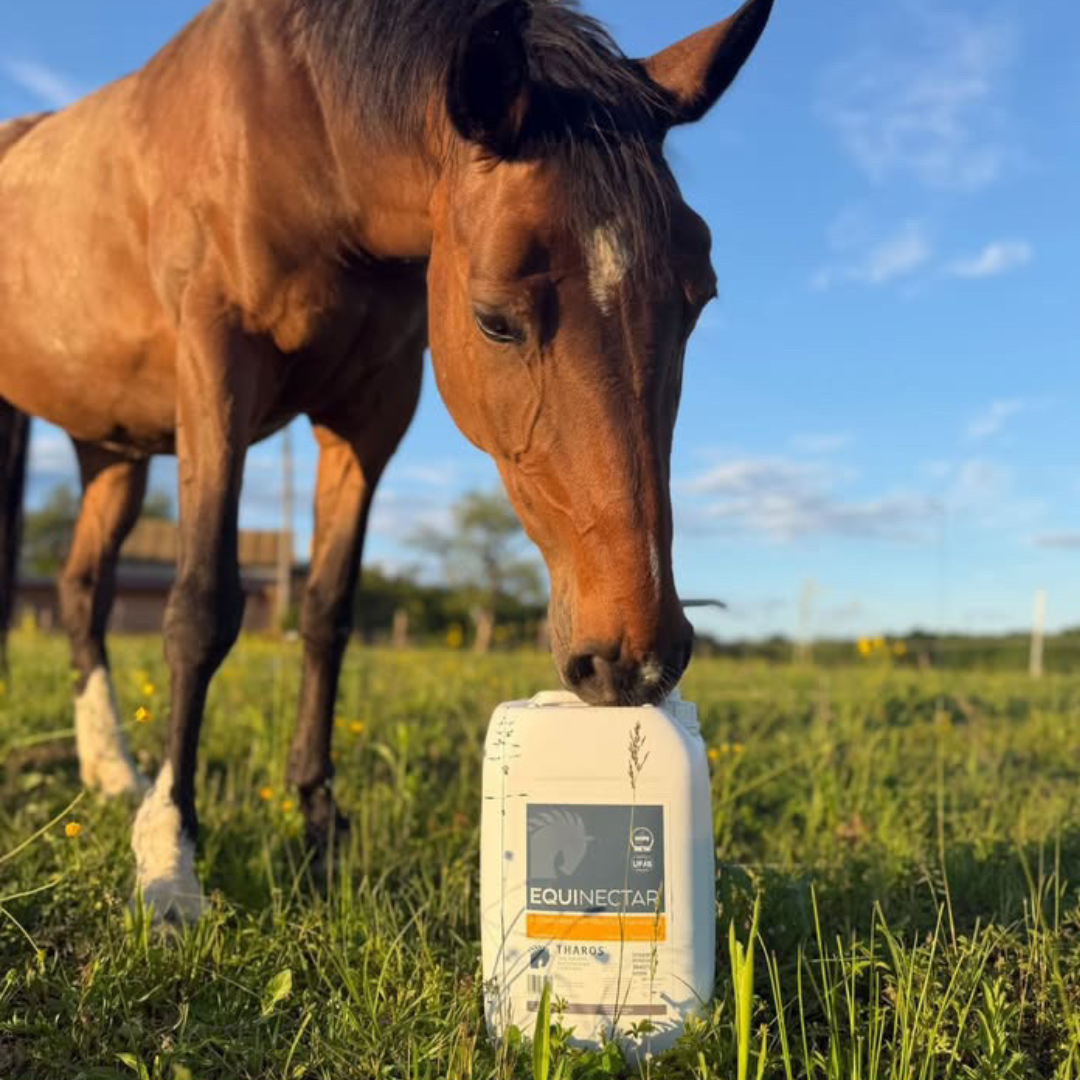
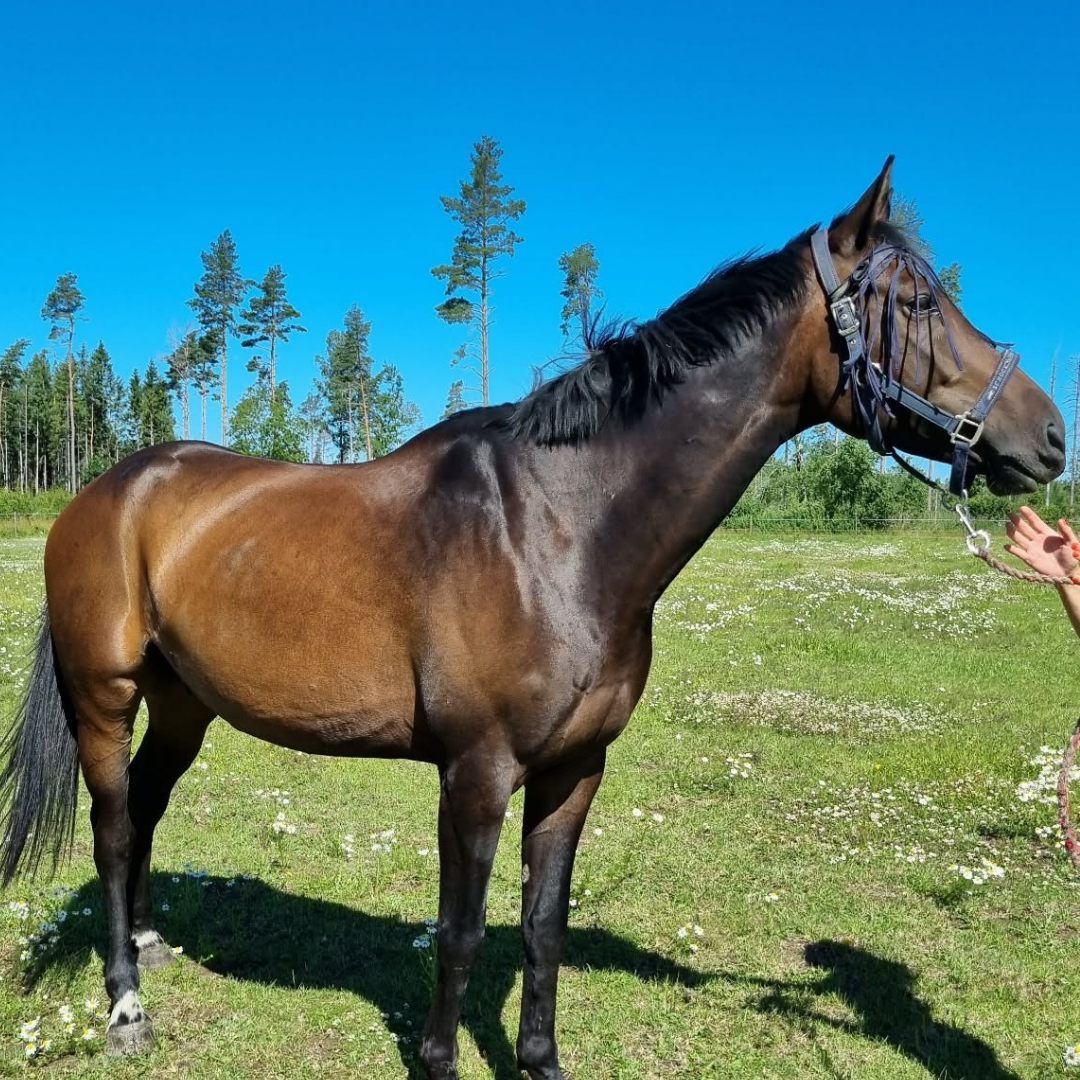
Horse supported by EquiNectar daily digestive nutrition
EquiNectar® Daily digestive support Whole-horse benefits

Better digestion. A more consistent horse.

EquiNectar provides naturally occurring digestive enzymes that help break down the horse's diet earlier — supporting nutrient absorption, hindgut balance, condition, behaviour and performance while helping reduce digestive risk.

Nutrient absorption Healthy microbiome Condition Mood & behaviour Performance Colic prevention
30-day money-back guarantee Made in Britain Patented process
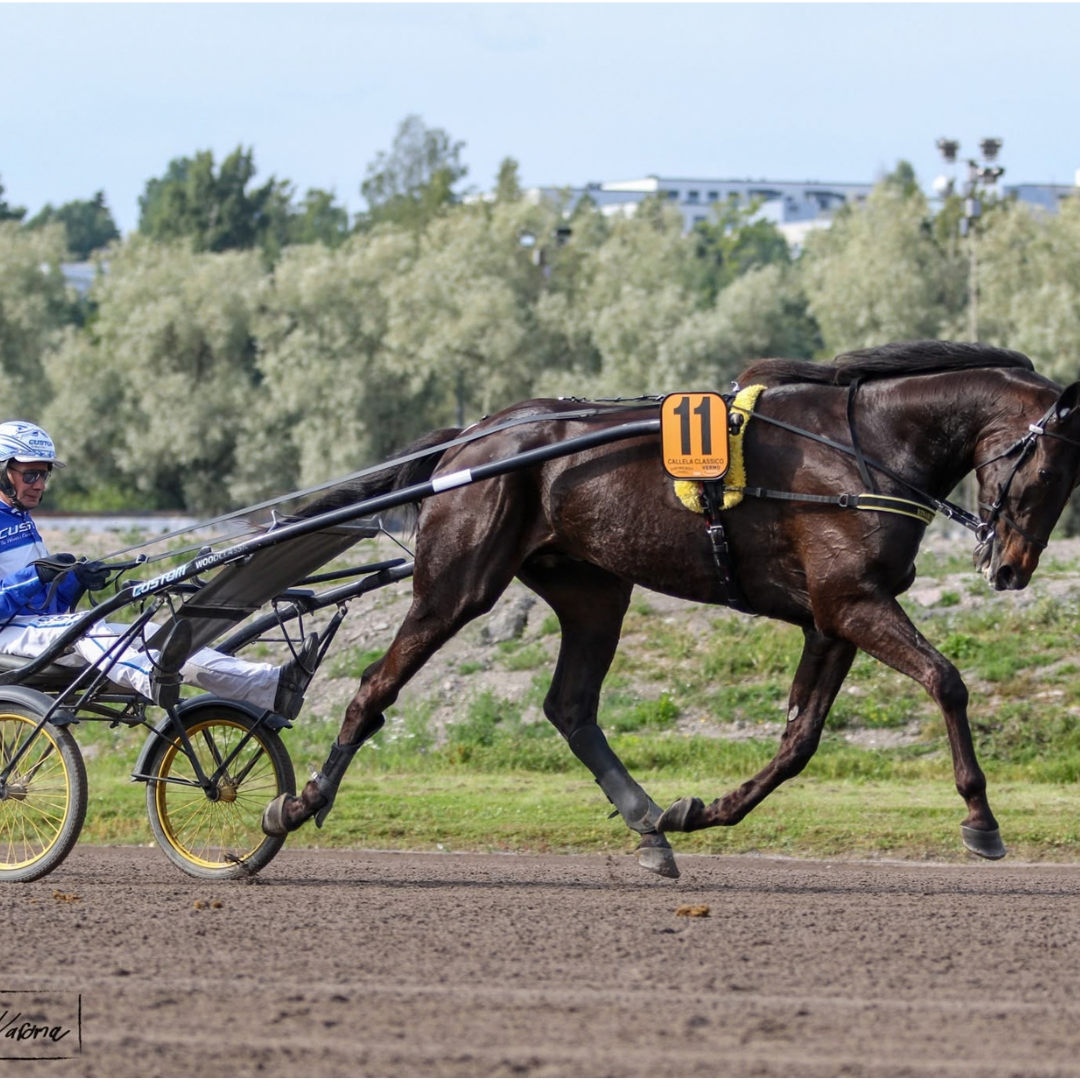
Professional working horses supported with EquiNectar
Professional confidence

Trusted where consistency matters.

Used across working horses, professional yards and elite equestrian sport.

Professional yards Working horses Competition
EquiNectar as part of the daily feeding routine
Everyday simplicity

Serious science. Simple to feed.

Add EquiNectar to the normal feed and make digestive support part of every day.

Pump Add Feed daily
The digestive challenge

Two common feeding pathways. One sensitive hindgut.

Modern horses can encounter substantial amounts of starch from concentrate feed and highly variable fructans from pasture. When too much reaches the hindgut undigested, the digestive environment can change.

Pathway 01 · Concentrate feed

Starch can overwhelm small-intestinal digestion.

When starch intake exceeds the horse's ability to digest it earlier in the digestive tract, more starch can arrive in the hindgut where it becomes rapidly fermented.

1 Starch-rich feed
2 Incomplete upstream digestion
3 Rapid hindgut fermentation
Pathway 02 · Grass & forage

Fructans can fluctuate dramatically.

Fructans present another source of rapidly fermentable carbohydrate. Levels in pasture can change with season, temperature and growing conditions.

1 Fructan-rich pasture
2 Variable dietary load
3 Rapid hindgut fermentation
Where the pathways meet

What reaches the hindgut matters.

Rapid fermentation can increase acid production and alter the environment in which the hindgut microbiome operates. That matters for far more than one digestive outcome.
Environment Hindgut pH & fermentation
Microbiome Bacterial balance
Whole horse Condition & feed utilisation
Demeanour Behaviour & consistency
Digestive risk Including colic risk
Better digestion starts before the hindgut. Change what is digested earlier, and you change what arrives downstream.
See how EquiNectar works →
The EquiNectar approach

Digest earlier. Change what arrives.

EquiNectar provides naturally occurring digestive enzyme activity earlier in the digestive process. That changes the dietary material available further downstream — including the substrate reaching the hindgut microbiome.

01 Earlier digestion

Help break the diet down sooner.

Enzyme activity supports the breakdown of important dietary components before they reach the hindgut.

02 Substrate change

Change what reaches the hindgut.

Better upstream digestion changes the amount and balance of fermentable dietary material arriving downstream.

03 Hindgut environment

Support what's already there.

The horse's existing microbial community then experiences a different nutritional environment — without introducing foreign microorganisms.

Key enzyme

Amylase

Supports the breakdown of starch earlier in the digestive process, reducing the amount available for rapid fermentation downstream.

Key enzyme

Fructanase

Supports the breakdown of fructans found in grass and forage, helping change the carbohydrate load reaching the hindgut.

Beyond starch & fructans

A broader digestive enzyme spectrum.

Amylase and fructanase are particularly relevant to the carbohydrate story, but EquiNectar contains a wider range of naturally occurring digestive enzyme activities.

Cellulase
Xylanase
Beta-glucanase
Phytase
Protease
Lipase
This is fundamentally different from adding bacteria. EquiNectar starts with digestion. The microbial response occurs downstream as the nutritional environment changes.
Next Choose where you want to go deeper.
Explore Horse Health & Science ↓
Colic prevention

Don't just react to digestive problems. Act earlier.

Many digestive problems begin before there is an obvious outward sign. EquiNectar is designed to address important dietary pathways that can contribute to hindgut acidosis, digestive disruption and increased colic risk.

Diagram of the equine digestive system The equine digestive system

Reduce the challenge before it reaches the hindgut.

When excessive starch or fructans reach the hindgut, they can undergo rapid microbial fermentation. The resulting increase in acid production can contribute to falling pH, hindgut acidosis and digestive instability.

Change the substrate. Change the challenge. Supporting digestion earlier means less rapidly fermentable substrate is available to drive the downstream process.
Starch Amylase activity
Fructans Fructanase activity
Downstream Hindgut environment
A preventative approach

Colic prevention is not only about reacting to symptoms.

Feed management matters because what enters the hindgut influences what happens there. EquiNectar adds another layer to that strategy by supporting enzymatic digestion before the hindgut.

01 Earlier

Improve digestion upstream.

Support the breakdown of starch, fructans and other dietary components earlier in digestion.

02 Downstream

Reduce fermentable load.

Change the quantity and composition of substrate becoming available for hindgut fermentation.

03 Prevention

Support a more stable environment.

Help reduce the dietary challenge associated with excessive fermentation, acidosis and digestive risk.

!
This is why colic prevention is central to EquiNectar. EquiNectar does not simply add something to the hindgut after fermentation has occurred. Its digestive enzymes act earlier — targeting dietary components involved in pathways that can contribute to hindgut acidosis and increased colic risk.
The mechanism matters. The measurements matter too. Next: what research in real horses has measured after EquiNectar supplementation.
See the evidence
Measured digestive change

This isn't just a theory. We've measured the change.

Research in performance horses has measured significant changes in fecal pH, while veterinary field work has examined outcomes in horses with diagnosed gastrointestinal conditions.

At baseline 89%

of 78 Thoroughbred racehorses showed subclinical or severe hindgut acidity.

Mean fecal pH 6.20 → 6.40

Measured while normal high-starch racing diets remained unchanged.

Normal pH prevalence 55%

compared with 11% at the beginning of the study.

Statistical significance p<0.0001

for the measured fecal-pH change.

Performance-horse evidence

78 Thoroughbreds. Nine UK yards.

Horses remained on their normal high-starch diets while fecal pH was monitored as a measurable indicator of the hindgut fermentation environment.

Veterinary field evidence

34 horses with diagnosed GI conditions.

A separate veterinary field study presented at the BEVA Colic Symposium examined outcomes during two months of EquiNectar use.

82% measurable improvement
47% complete clinical resolution
p=0.02 statistical significance
These studies answer different questions. Fecal pH provides a measurable window into the hindgut environment; veterinary field outcomes examine changes seen in horses presenting with gastrointestinal disease. Together they contribute different pieces to the wider EquiNectar evidence base.
Everyday feeding

The science is complex. Feeding it isn't.

EquiNectar is designed to fit into the normal feeding routine. Pump it onto the feed, mix if required, and feed consistently each day.

Feeding EquiNectar as part of the normal horse feeding routine

Start gradually. Then feed every day.

Introduce EquiNectar over the first nine days before moving onto the ongoing daily feeding rate appropriate for your horse's size and workload.

Introduction period
Days 1–3 1 fl oz twice daily
Days 4–6 2 fl oz twice daily
Days 7–9 3 fl oz twice daily
Day 10+ Ongoing rate
Ongoing daily feeding
Horse
Light–medium
High workload
Up to 660 lb
2.5 fl oz / feed
4 fl oz / feed
660–1200 lb
3 fl oz / feed
5 fl oz / feed
Over 1200 lb
4 fl oz / feed
6 fl oz / feed

Feed twice daily. The standard EquiNectar pump delivers approximately 1 fl oz per pump.

Next What can daily digestive support look like in a real horse?
Meet Harvey ↓
Harvey, a 20-year-old Grand Prix dressage horse Real horse · real experience
Horse of the week

Meet Harvey.

20 years old Appaloosa × Welsh D Grand Prix dressage

“His gut health has never been better, he's calmer, and their scores have even increased by 2–3%.”

Harvey's EquiNectar story With owner and rider Chantelle Oliver-Symonds
Owner reported Calmer & happier
Still performing Grand Prix at 20
Owner reported Scores +2–3%
Read Harvey's full story →
Next What are you noticing in your own horse?
Explore the Horse Health Navigator ↓
Start with your horse

What are you noticing?

Horse owners rarely begin with a microbiome graph. They begin with something they can see or feel: a change in droppings, condition, behaviour or performance. Choose what sounds most familiar.

?
Select an area below to explore the digestive connection. Or visit our new Horse Health Resource Hub for practical, evidence-led information across a wider range of topics.
01 Digestive consistency

Loose or inconsistent droppings?

Manure is often the first place an owner notices that digestive consistency has changed.

Explore the connection

Hindgut fermentation, microbial activity and the way the horse processes its diet can all influence what eventually appears in the manure.

Better digestive stability can therefore become visible at the very end of the digestive process.

Explore digestive health →
02 Weight & condition

Difficult to maintain condition?

Sometimes the question isn't how much feed goes in, but how effectively the horse digests it.

Explore feed utilisation

Digestive enzymes act across several components of the ration. More effective digestion can improve the availability of nutrients from feed already being consumed.

This makes digestive efficiency an important part of the condition conversation.

Explore condition & nutrition →
03 Behaviour

Spooky, reactive or unsettled?

Digestive comfort can be one of several factors influencing demeanour and consistency.

Explore gut & behaviour

Owners often describe digestive discomfort alongside sensitivity, tension, reactivity or changes in focus and willingness.

Supporting the digestive environment can therefore form part of a broader approach to understanding changes in behaviour.

Explore behaviour & gut health →
04 Grass & seasons

Different when the grass changes?

Pasture is not a nutritionally static environment, particularly when fructan levels fluctuate.

Explore seasonal change

Temperature, sunlight, growth and season can alter the carbohydrate profile of pasture and therefore change the digestive challenge faced by the horse.

Grass can matter even when the rest of the ration has not changed.

Explore grass & seasonal health →
05 Performance

Less consistent in work?

Every performance horse depends on effective digestion of the ration supporting its workload.

Explore performance

Performance has many influences, but digestive comfort, nutrient utilisation and consistent feed processing all contribute to the foundation beneath training.

This can matter from everyday riding through to elite competition.

Explore digestion & performance →
06 Digestive health

Recurring digestive concerns?

Some horses seem to repeatedly show signs that the digestive system deserves closer attention.

Explore digestive health

Diet, pasture, travel, workload and management can all influence the digestive environment over time.

Understanding the underlying digestive pathways can help owners make better-informed everyday management decisions.

Explore Horse Health Resources →
New · Horse Health Resource Hub

A better place to explore your horse's health.

Practical information across digestion, feeding, behaviour, condition and everyday horse health — organised to help you find what matters to you.

Visit the Health Hub
From champion to retirement

Meet Pineau de Re. A Grand National winner.

2014 Grand National winner Retired racehorse Still enjoying an active life
“Since we found EquiNectar, he has a much better appetite and maintains his condition, especially as the seasons change.”

Lizzie, Pineau de Re's owner
On life after racing with EquiNectar

Racing history Grand National champion
Owner reported Better appetite
Owner reported Maintains condition
Read Pineau de Re's story
Pineau de Re, 2014 Grand National winner and EquiNectar customer story Real horse · real experience
Real horses are one part of the EquiNectar story. Next: the research programme behind more than a decade of digestive science.
Explore the science
The evidence at a glance

More than a decade of EquiNectar research.

EquiNectar has been studied across different horse populations, feeding environments and research settings. Here are three important pieces of the evidence base — open any study for more detail.

Research history 2014 → today
Populations Racehorses · leisure horses · GI cases
Measurements pH · microbiome · metabolites
Research settings Controlled · field · veterinary
2024 78 Thoroughbred racehorses

A measurable change in the hindgut environment.

Nine UK training yards · normal high-starch racing diets
6.20 → 6.40 Mean fecal pH increased during supplementation.
View study highlights

The horses remained on their normal racing diets while fecal pH was monitored as a measurable indicator of the hindgut fermentation environment.

89% began with subclinical or severe hindgut acidity.
Mean fecal pH changed from 6.20 to 6.40.
Normal-pH prevalence increased from 11% to 55%.
Statistical significance: p<0.0001.
2024 Veterinary GI field study

Evidence in horses with diagnosed GI conditions.

34 horses · presented at the BEVA Colic Symposium
82% Showed measurable improvement during the study.
View study highlights

This retrospective veterinary field study followed horses with clinically diagnosed gastrointestinal conditions during two months of EquiNectar use.

82% showed measurable improvement.
47% reached complete clinical resolution.
Statistical significance: p=0.02.
32% relapsed after cessation.
2019 Randomized controlled research

A distinct metabolic response on spring pasture.

45 horses & ponies · Redwings Horse Sanctuary
45 Horses and ponies studied using metabolomic analysis.
View study highlights

Horses and ponies were randomized between spring pasture alone and spring pasture supplemented with Enzyme Rich Malt Extract.

Metabolomic techniques were used to determine whether supplementation produced a detectable biological response under pasture conditions.

Randomized design with treatment and comparison groups.
Conducted during spring pasture conditions.
Metabolomic analysis identified distinct patterns between groups.
EquiNectar Science

Explore the research behind EquiNectar.

Dive deeper into the mechanisms, study design, microbiome research, digestive enzymes, published work and measured outcomes behind the EquiNectar approach.

Want to go deeper?

Explore the full research programme, study results and scientific background in one place.

Explore EquiNectar Science
Next So what is actually providing all that enzyme activity?
What's inside EquiNectar? →
What's inside EquiNectar

It starts with malted barley.

Selected barley varieties are malted to activate their natural enzyme systems and carefully processed to preserve that activity. The result is EquiNectar's Enzyme Rich Malt Extract.

EquiNectar and malted barley Made from malted barley

Simple formulation. Complex digestive activity.

EquiNectar's foundation is Enzyme Rich Malt Extract, produced from malted barley using a patented process designed to retain naturally occurring digestive enzyme activity.

Primary ingredient Enzyme Rich Malt Extract
Enzyme spectrum 8 identified activities
Production Patented process
Explore what's inside

As simple or as detailed as you want it.

The headline is simple: malted barley provides a broad spectrum of natural enzyme activity. Open the sections below if you'd like to see exactly what that means.

8
Digestive enzyme activities Starch, fructans, plant material, protein, fats and phytate
View all 8
Amylase Starch digestion
Fructanase Fructan digestion
Cellulase Cellulose breakdown
Xylanase Xylan breakdown
Beta-glucanase Beta-glucan breakdown
Phytase Phytate breakdown
Protease Protein digestion
Lipase Fat digestion
3
The complete formulation A deliberately simple ingredient list
3 ingredients
01 Enzyme Rich Malt Extract
02 Medium chain triglycerides
03 Potassium sorbate
+
Naturally occurring nutrition Vitamins, minerals and antioxidant compounds
Explore
B vitamins B1, B2, B3, B6, folate & B12
Minerals Magnesium, potassium, selenium, zinc & iron
Antioxidants Ferulic acid, flavan-3-ols & phenolics
M
Why malted barley? Germination naturally activates a powerful enzyme system
Learn why

During malting, barley begins the germination process. To fuel that growth, the grain naturally produces and activates enzymes capable of breaking down stored nutrients.

EquiNectar takes advantage of that naturally occurring enzyme system and uses controlled processing to preserve useful activity in the finished product.

Explore the enzyme science →
Not a probiotic. Not a bacterial supplement. EquiNectar works upstream. Its enzyme activity changes the dietary substrate available downstream, allowing the horse's existing microbial ecosystem to respond.
Next Science matters. So does knowing who trusts it every day.
Trusted where consistency matters ↓
Professional trust

Trusted where consistency matters.

EquiNectar is used across everyday horse ownership, professional yards, working-horse programs and international equestrian sport — alongside a growing program of veterinary and scientific research.

One product · very different horses

From the parade ground to the international arena.

The demands may be very different, but the foundation is the same: horses need to digest their diet consistently. EquiNectar has become part of daily feeding programs across military, public-service and performance environments.

Military & working horses British Army horse regiments
Equestrian sport International & elite competitors
Research Veterinary & academic settings
01
Military & public service

Working horses in demanding environments.

EquiNectar is used within professional organizations responsible for the daily management, welfare and performance of working horses.

The Household Cavalry King's Troop Royal Horse Artillery Royal Army Veterinary Corps Metropolitan Police Mounted Branch
02
Equestrian sport

Used from amateur sport to international level.

EquiNectar is used by horses competing across disciplines and levels, including riders operating at the highest levels of international equestrian sport.

Dressage Eventing Showjumping Thoroughbred racing
03
Veterinary research

Professional use sits alongside measured evidence.

EquiNectar's research program includes work involving veterinary practices, university researchers, performance yards and horses with diagnosed gastrointestinal conditions.

BEVA Colic Symposium research IVC Evidensia-funded field study Peer-reviewed research Real-world performance populations
British developed

Made in Britain. Built around equine digestion.

EquiNectar was developed in Britain from research into equine digestion and the hindgut microbiome. Its patented production process is designed to retain the naturally occurring enzyme activity found in malted barley.

UK Origin Made in Britain
Competition controls BETA NOPS manufacturing controls
P Manufacturing Patented production process
Now in the United States

Developed and proven in Britain. Now available to American horse owners.

EquiNectar USA
You've seen how it works, what has been measured and who uses it. There's one thing left to do: try EquiNectar with your horse.
Try EquiNectar
Ready to try EquiNectar?

Try it for 30 days. See what better digestion can change.

EquiNectar is designed to become part of the normal feeding routine — providing daily digestive enzyme support for nutrient utilisation, hindgut balance, condition, demeanour and performance.

EquiNectar daily digestive support for horses
Daily digestive support
EquiNectar USA

Daily digestive support. Whole-horse benefits.

EquiNectar works at the beginning of the digestive story — helping the horse break down its diet more effectively and changing what reaches the hindgut. The result is a stronger foundation for the horse as a whole.

Digestion Nutrient utilisation
Hindgut Microbial balance
Everyday Digestive consistency
Whole horse Weight & condition
Demeanour Mood & behaviour
Athletic Performance foundation
From $139.00
Available sizes
1 gallon 2 gallons 4 gallons
30
30-day money-back guarantee Make EquiNectar part of your horse's normal feeding routine and see what you notice. If you're not happy, you're covered by our 30-day money-back guarantee.
Available in the USA Made in Britain Patented process Daily feeding
The everyday foundation

Better digestion starts with what you do every day. Support the whole horse from the inside out.

Support nutrient utilisation, the hindgut environment, condition, behaviour and performance with daily digestive enzyme support designed to work with the horse's existing physiology.

Better digestion Healthy hindgut Better condition Calmer demeanour Performance Long-term wellbeing
Start with EquiNectar
30-day money-back guarantee USA availability More than a decade of research