

Magnesium plays a central role in equine nutrition and is commonly used to support nervous or high-strung horses. Many horse owners supplement magnesium—most often as Magnesium Oxide (MgO)—to help reduce tension, improve focus, and promote a calmer demeanor.
However, emerging nutritional observations suggest something counterintuitive: excessive magnesium supplementation may sometimes increase spookiness and sensory reactivity rather than reduce it.
This phenomenon is sometimes referred to as the Magnesium Paradox. To understand why a mineral known for calming properties could trigger the opposite effect, we need to look at how magnesium influences the horse’s nervous system and sensory processing.
The Role of Magnesium in the Nervous System
One of magnesium’s primary neurological functions is regulating the NMDA (N-methyl-D-aspartate) receptor. This receptor controls calcium flow into neurons. When calcium enters a nerve cell, the neuron fires and transmits a signal.
Magnesium naturally acts as a biological “gatekeeper,” helping regulate this process and preventing excessive nerve stimulation.
- In magnesium deficiency: the nervous system may remain overly excitable, leading to tension, anxiety, and difficulty concentrating.
- With balanced magnesium levels: nerve signaling remains stable and responsive without becoming overactive.
When Magnesium Intake Becomes Excessive
Problems may arise when magnesium intake becomes too high. This can occur when fortified feeds, mineral balancers, and calming supplements are combined—sometimes referred to as “stacking” supplements.
Instead of simply creating a relaxed horse, very high magnesium intake may contribute to subtle disruptions in sensory processing.
Potential Effects on Visual Processing
1. Neural Transmission Speed
High magnesium levels may slow the transmission speed of electrical signals within the nervous system. For prey animals such as horses, visual processing must occur extremely quickly.
If signal transmission is even slightly delayed, moving objects in the environment—such as birds in hedges or sudden movement in the arena—may appear more abrupt or fragmented. This altered perception could trigger a stronger flight response in sensitive horses.
2. Pupillary Response and Light Adjustment
Magnesium also functions as a smooth muscle relaxant. The iris, which controls pupil size, relies on precise muscular contractions to regulate light entering the eye.
If this response becomes less responsive, horses may have more difficulty adjusting quickly between bright sunlight and darker areas. Shadows on the arena surface or transitions between light and shade may therefore appear more dramatic or startling.
Optimizing the Diet with EquiNectar
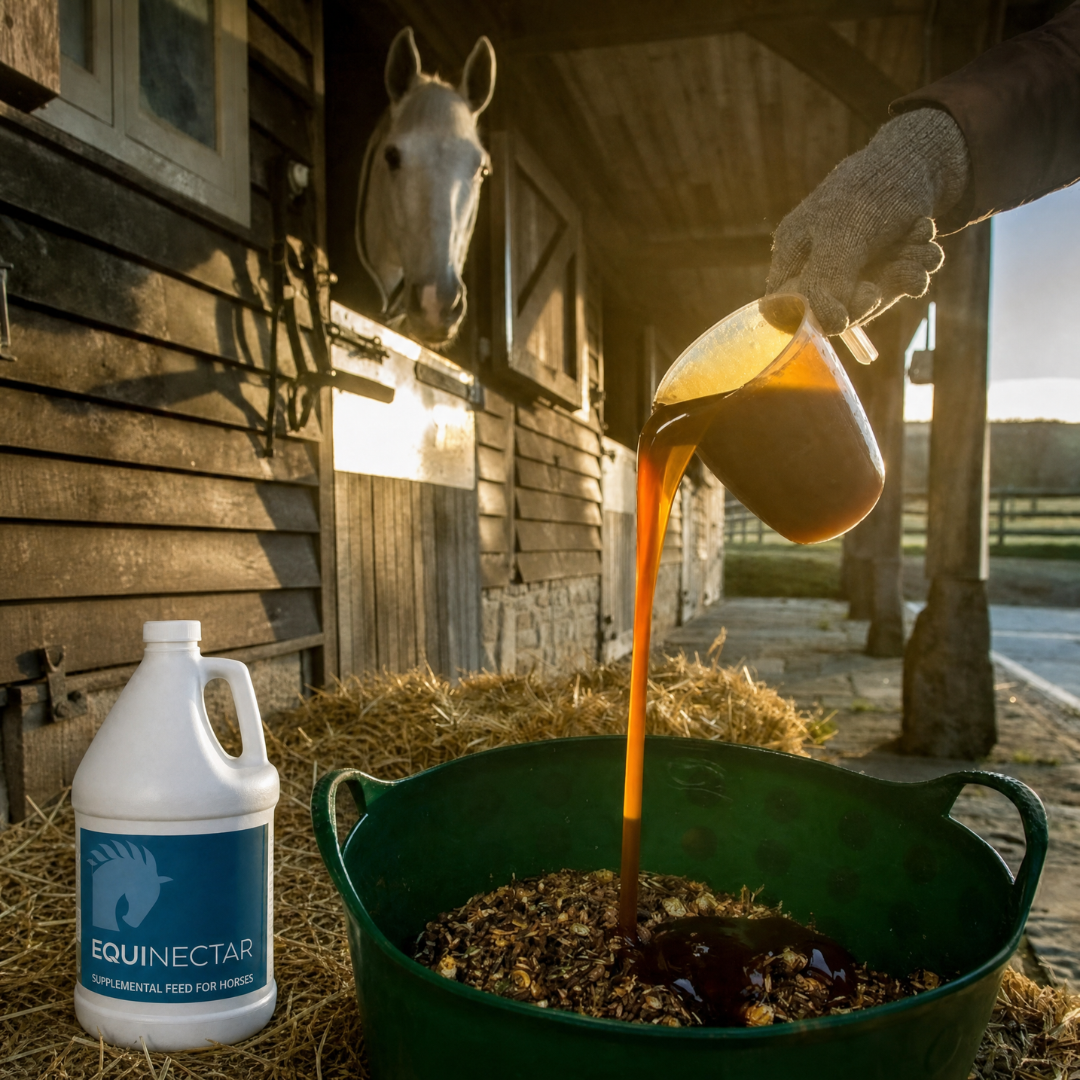
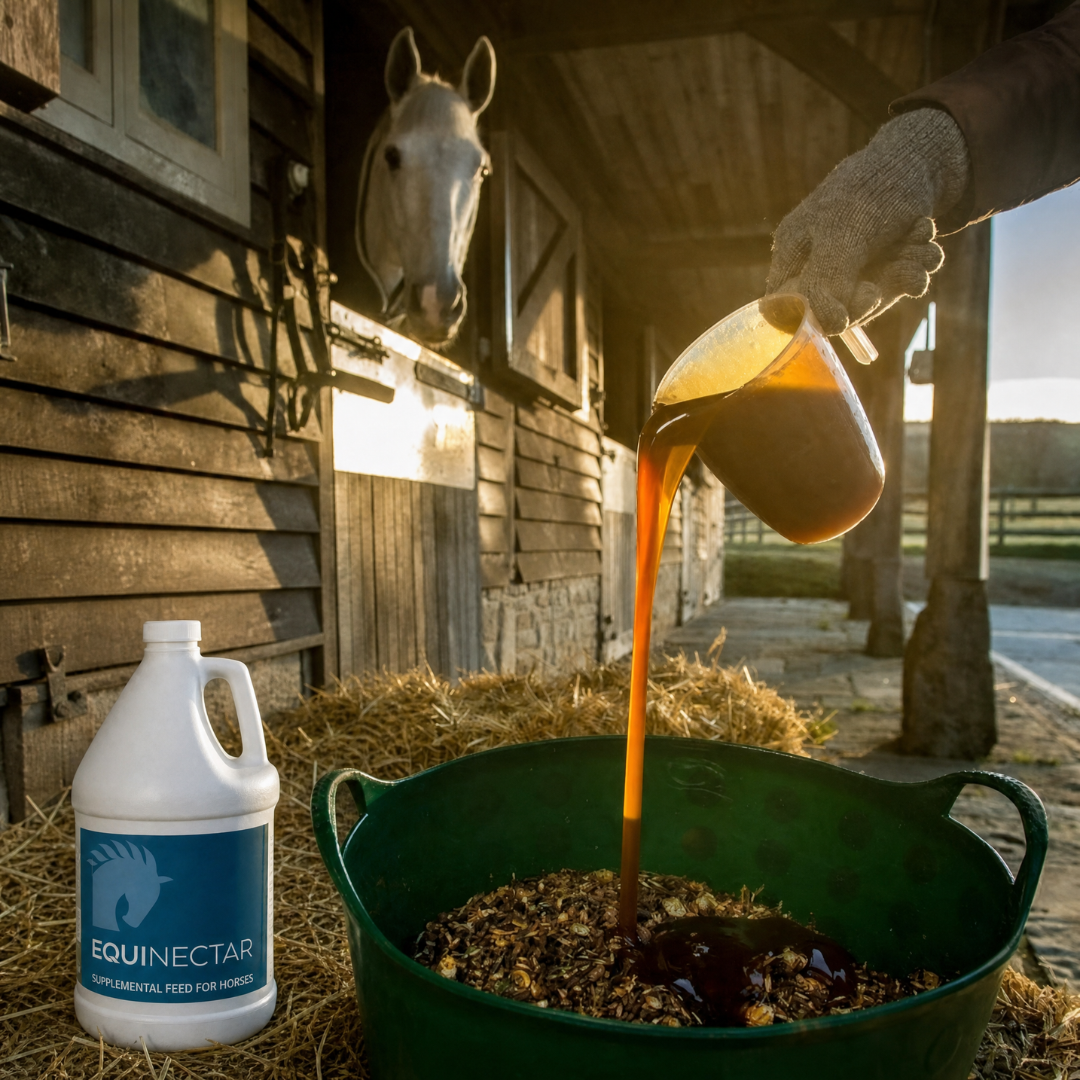
If you are using EquiNectar, you are already supporting a more biologically aligned feeding strategy. Rather than relying heavily on mineral supplementation, the focus shifts toward improving digestion so horses can extract nutrients naturally from forage.
Unlocking Nutrients from Forage
The goal of EquiNectar is to help horses access the nutritional value already present in hay and pasture.
- Cellulase: helps break down plant cell walls, allowing the horse to access nutrients trapped inside forage fibers.
- Endogenous phytase: helps release minerals such as magnesium and calcium that are naturally bound to phytic acid in plants.
By improving nutrient availability from forage, horses may require fewer concentrated mineral supplements.
A Practical Strategy for EquiNectar Users
If your horse remains reactive despite feeding magnesium-rich products, it may be useful to simplify the diet and review current supplementation.
1. Review Feed Labels
Many feed balancers already contain magnesium oxide as a standard ingredient. When combined with calming supplements and improved forage mineral release through enzymes, total intake can become higher than expected.
2. Consider a Linseed-Based Balancer
Some owners choose to move toward magnesium-free balancers that rely on linseed (flaxseed) for nutritional support.
Linseed provides beneficial Omega-3 fatty acids along with quality amino acids that support muscle development, skin condition, and coat health without relying heavily on mineral additives.
3. Let Forage Do the Work
When digestion is optimized and forage nutrients become more available, the horse’s body is often better able to regulate mineral balance naturally.
Reducing unnecessary supplemental magnesium may help some horses become more focused and less reactive to environmental stimuli.
Conclusion
Magnesium remains an essential nutrient in equine diets. However, as with many nutrients, more is not always better.
By reviewing supplement sources and focusing on improving forage digestion with products such as EquiNectar, horse owners can support metabolic balance while avoiding unnecessary mineral overload.
References
- Geor, R.J., Harris, P.A. and Coenen, M. (2013) Equine Applied and Clinical Nutrition: Health, Welfare and Performance. Saunders Elsevier.
- Paoletti, P., Bellone, C. and Zhou, Q. (2013) NMDA receptor subunit diversity and neurological function. Nature Reviews Neuroscience.
- NRC (2007) Nutrient Requirements of Horses. National Academies Press.
- Heuschmann, G. (2009) Tug of War: Classical Schooling vs. Modern Training. Trafalgar Square Books.
- Selle, P.H. and Ravindran, V. (2007) Microbial phytase in animal nutrition. Animal Feed Science and Technology.



Share: