

Cutting-edge research from Lincoln Memorial University explains why short-chain fatty acids are central to hindgut health. Published data from our own 2022 clinical study shows EquiNectar produces a measurable impact on exactly these compounds.
If you've ever wanted to understand what's really happening deep inside your horse's hindgut — beyond the general notion that "gut health is important" — a landmark new paper provides one of the most thorough and accessible explanations available. The Role of Short-Chain Fatty Acids (SCFAs) in Colic and Anti-Inflammatory Pathways in Horses, published in the peer-reviewed journal Animals in December 2025 by Schank, Cottone, Wulf, and colleagues at Lincoln Memorial University, traces the precise molecular chain linking your horse's gut microbiome to one of the most dangerous conditions in equine medicine: colic.
Colic is still the number one reason horses receive emergency veterinary care in the United States, and its origins are frequently microbial. When the delicate bacterial balance inside the hindgut is disrupted — whether by high-starch grain, fructan-loaded spring pasture, hauling stress, or abrupt feed switches — the situation can escalate from mild discomfort to a life-threatening crisis. At the center of that disruption, the Schank paper argues, are a family of molecules called short-chain fatty acids, or SCFAs. These compounds are produced when beneficial gut bacteria ferment dietary fiber deep in the cecum and large colon. They're not flashy, but they may be the most consequential biochemicals in your horse's entire digestive system.
When we reviewed the paper, we found it mapped almost exactly onto research we had already designed, conducted, and published independently.
What Are Short-Chain Fatty Acids — And Why Should Horse Owners Care?
The three primary SCFAs — acetate, propionate, and butyrate — perform an enormous range of biological jobs throughout the horse's body. Butyrate is the preferred energy source for colonocytes, the specialized cells that line the gut wall. When butyrate levels are adequate, that lining stays tight and intact, acting as a barrier against toxins and pathogens. When butyrate runs low, the gut wall becomes "leaky," allowing harmful compounds to cross into the bloodstream and trigger systemic inflammation.
Propionate plays a distinct but equally important role in immune system regulation and glucose metabolism. Acetate, the most abundant of the three, circulates throughout the body, feeding peripheral tissues and sustaining the broader microbial community from which all three SCFAs originate. Collectively, these molecules regulate gut motility, dampen inflammatory signaling, and — remarkably — even cross the blood-brain barrier, where they appear to influence mood and neurological function.
The Schank paper explains how this cascade begins. When starch from grain or fructans from lush pasture reaches the hindgut in large quantities, the microbial balance shifts dramatically. Fiber-fermenting bacterial species — the ones responsible for producing SCFAs — get crowded out by fast-growing, lactate-producing microbes. Hindgut pH drops, the intestinal lining grows porous, and the system spirals in a dangerous direction. This risk is especially pronounced for leisure horses on pasture, where grass fructan content can swing dramatically by the hour — surging on cold, sunny mornings and varying sharply between seasons.
Where EquiNectar Fits Into This Picture
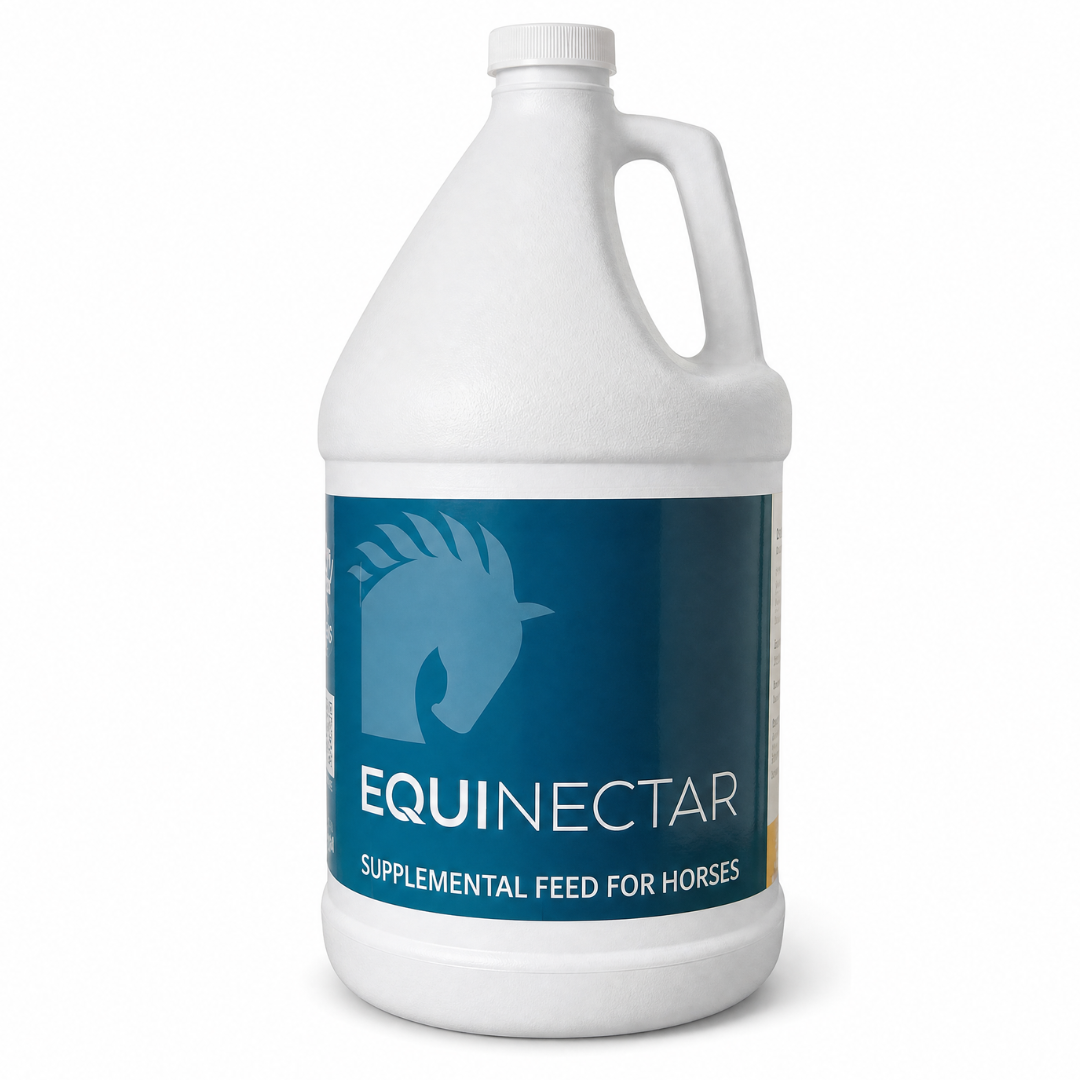
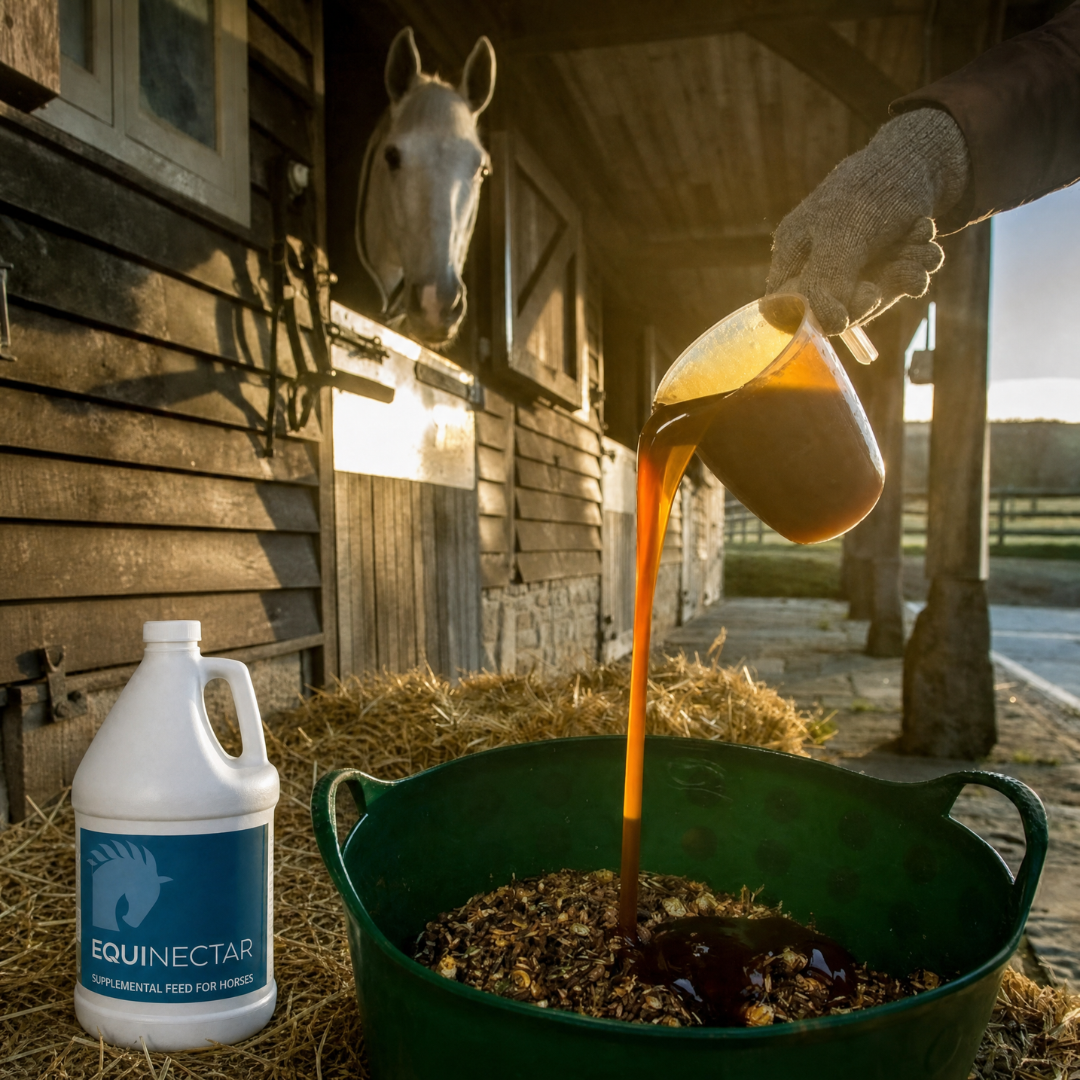
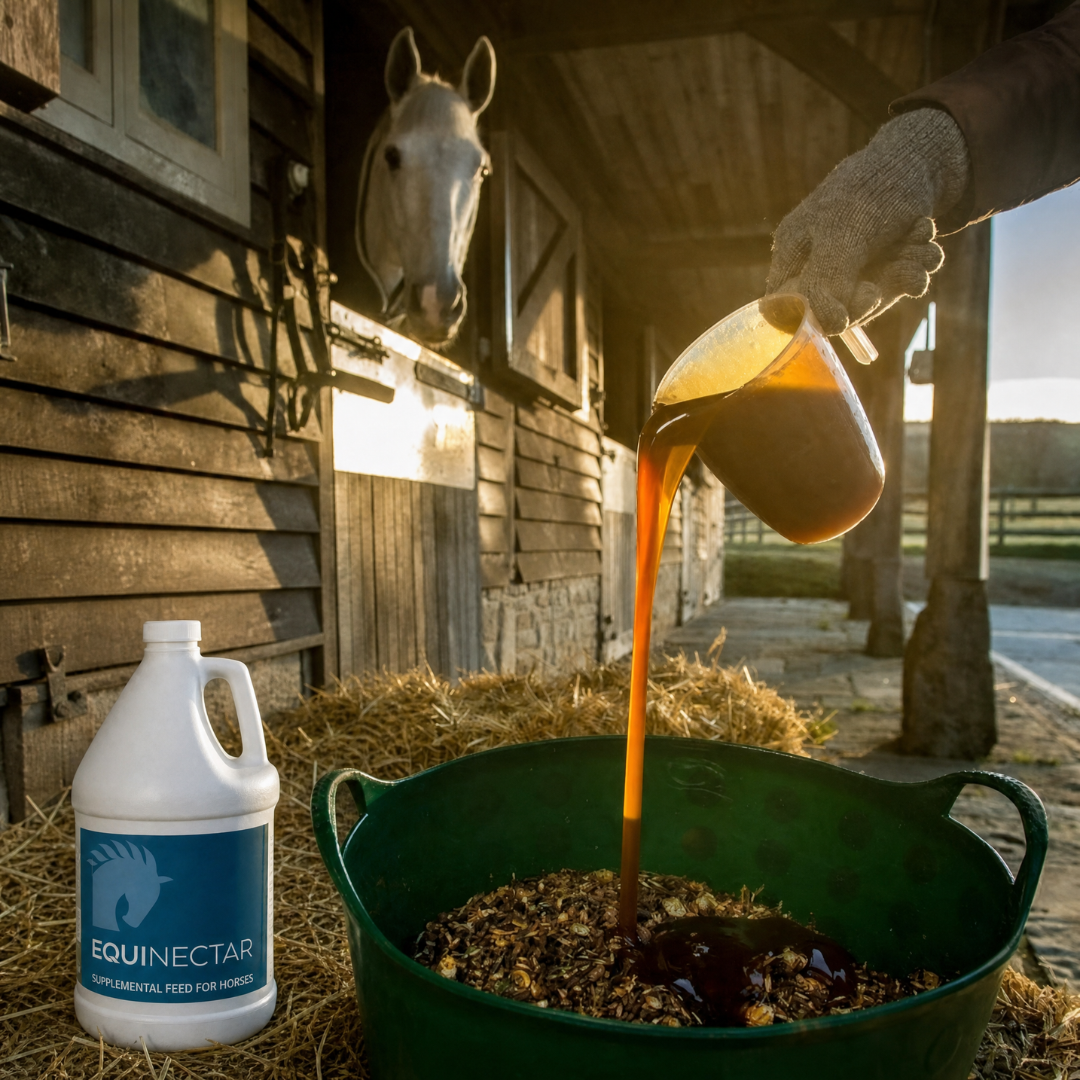
EquiNectar delivers digestive enzymes that act in the foregut — the stomach and small intestine — where they break down starches and fructans before those carbohydrates ever reach the hindgut. By reducing the amount of undigested, fermentable material entering the cecum, the supplement reduces the microbial stress that drives SCFA depletion and pH crashes.
In 2022, we conducted a controlled supplementation trial with ten leisure horses maintained on standard diets. Over eight weeks, each horse received EquiNectar daily. Fecal samples were collected before and after the supplementation period and analyzed using SIFT-MS metabolomics — a highly sensitive breath and fecal gas analysis method — alongside 16S rRNA microbiome sequencing to characterize bacterial community shifts. Those findings were subsequently accepted for peer-reviewed publication in 2024 in the Journal of Modern Agriculture and Biotechnology (Waring, Dagi & Hunter, 2024).
The Published Numbers: SCFA Changes Across All Ten Horses
Across the full cohort, total short-chain fatty acids increased substantially following supplementation. Every individual SCFA moved in the favorable direction:
Total mean SCFAs across all ten horses climbed from 1,376 ppb at baseline to 2,077 ppb post-supplementation — a 51% increase. Alongside these gains, markers of gut toxicity told an equally encouraging story: ethanol and dimethyl disulfide, both byproducts of unhealthy fermentation, declined following supplementation.
A Closer Look at Individual Responses
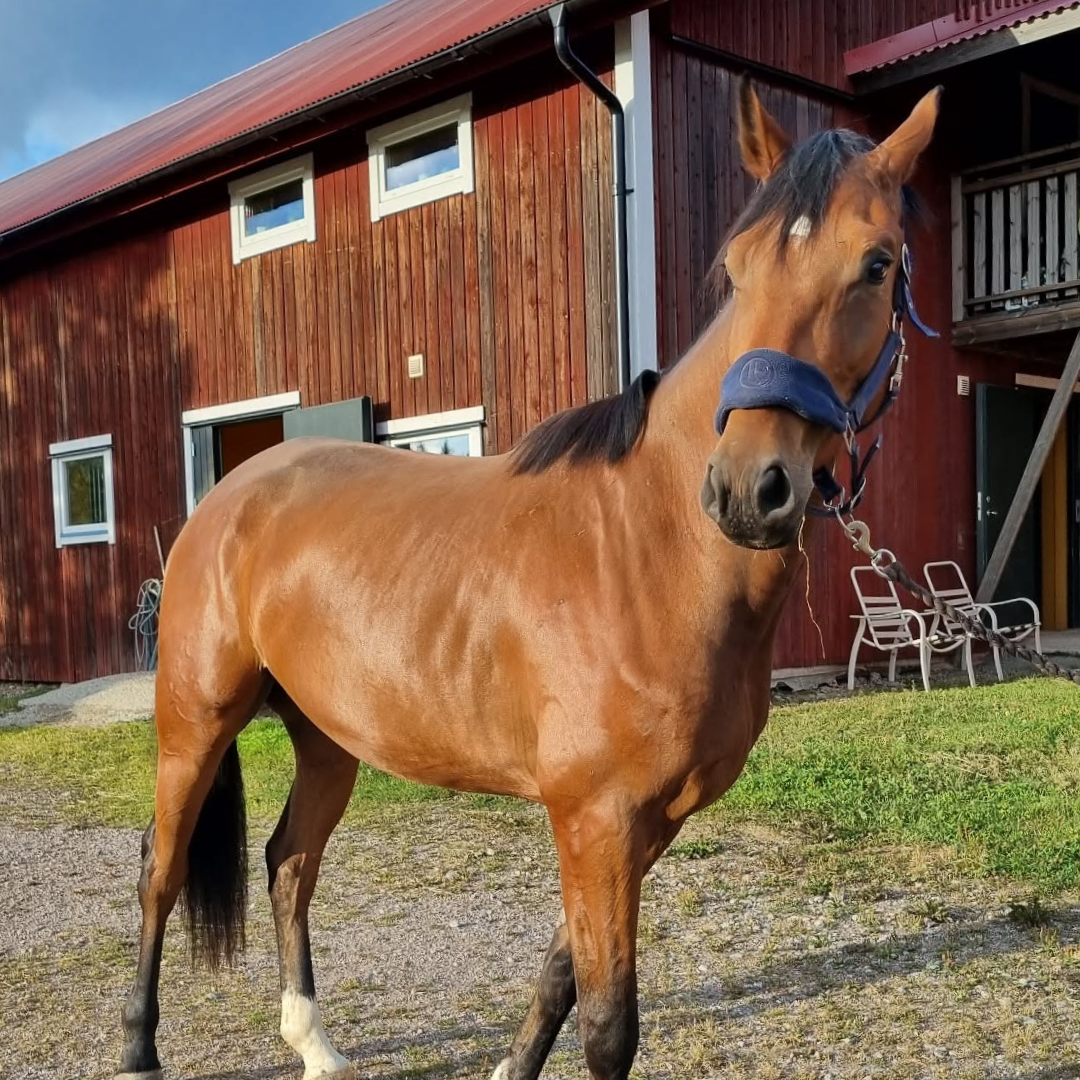
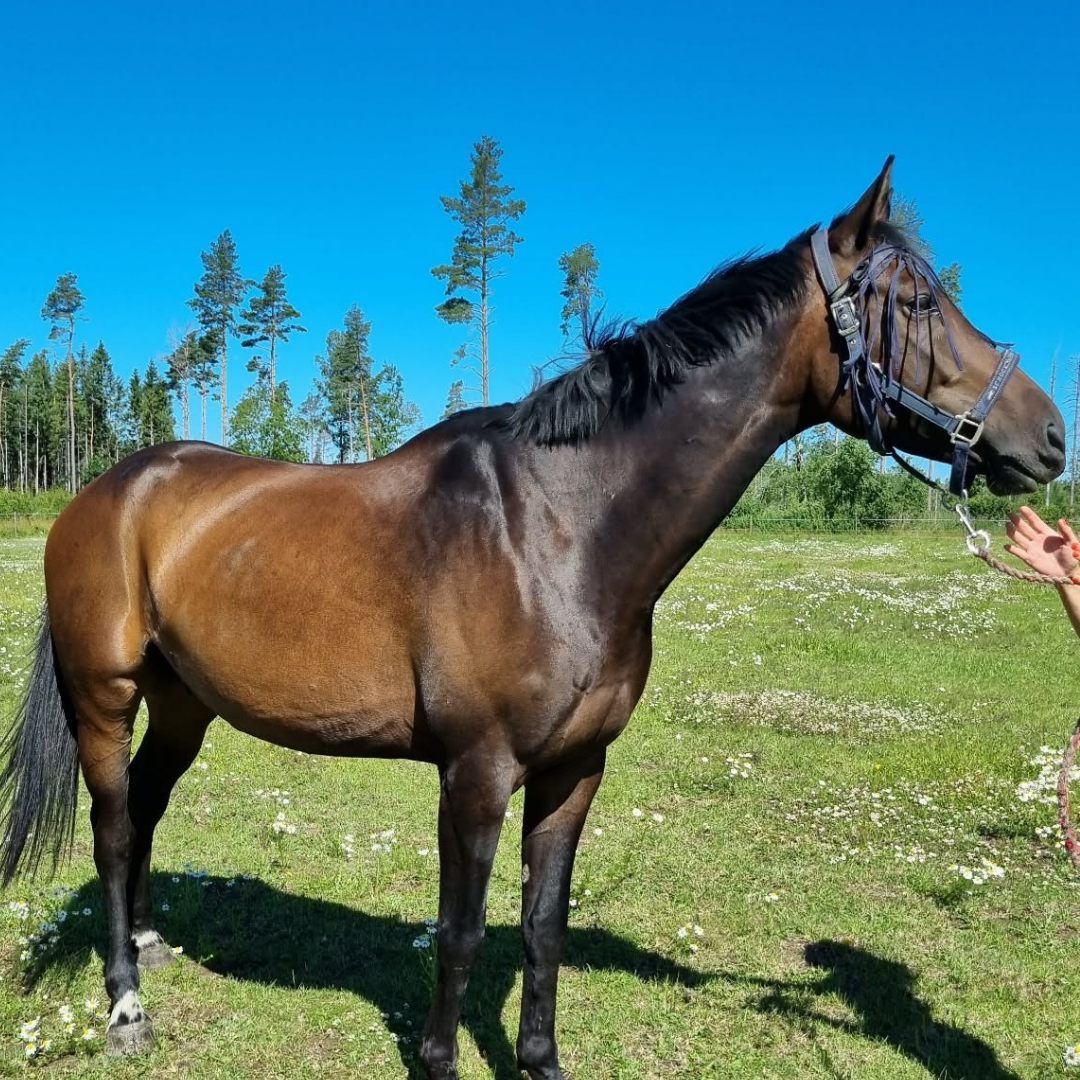
Digging into individual animal data from the same research program, we focused specifically on butyrate — the SCFA that the Schank paper identifies as most critical for maintaining gut wall integrity and suppressing inflammatory pathways. The results at the individual level were striking:
- Rio +101% butyrate increase
- Diva +55% butyrate increase
- Tory +395% butyrate increase
Every horse in the individual cohort showed a meaningful butyrate increase, with the group averaging +120%. Tory's nearly fourfold rise from an extremely low starting point suggests her colonocytes were severely energy-deprived before the supplementation period began — a finding consistent with subclinical hindgut dysfunction that often goes undetected in everyday management.
The Bacteria Behind the Numbers
The microbiome sequencing data provides the mechanistic explanation for these SCFA shifts. Following supplementation, the published Waring et al. findings show that horses generally had reduced levels of Spirochaetes — a recognized marker of gut dysbiosis — alongside increases in Fibrobacter, Ruminococcaceae, Blautia, and Oscillospira, all bacterial groups strongly associated with fiber degradation and butyrate synthesis. Paraprevotella, a propionate-producing genus, also increased.
In the individual horse analysis, one genus stood out for the consistency of its behavior: Selenomonas. This group of bacteria specializes in converting lactate — the acidic byproduct of starch fermentation — into propionate and other beneficial SCFAs. Its increase was observed across every horse in the individual analysis without exception. This matters enormously because lactate accumulation is the primary driver of hindgut acidosis, the condition that allows harmful bacteria to proliferate and causes the gut wall to break down. Selenomonas functions as a natural pH stabilizer, clearing lactate before it can do damage.
Connecting the Dots: One Coherent Mechanism
Taken together, the data tells a logical and consistent story. EquiNectar's enzyme activity in the foregut reduces the volume of undigested starch and fructans that pass into the hindgut. That reduction limits the substrate available to lactate-producing bacteria. With less lactate accumulating, pH-buffering species like Selenomonas can expand. And with lactate cleared efficiently, the fiber-fermenting bacteria responsible for producing butyrate, propionate, and acetate can do their work unimpeded.
This is precisely the protective mechanism that Schank and colleagues describe in their 2025 review — and our published clinical data demonstrates it occurring in real horses under real management conditions.
Both studies are freely available as open-access publications. Direct links appear in the references below.
References
- Waring RH, Dagi TF, Hunter JO. Innovative Approaches to Managing the Mammalian Microbiome: Evidence for the Role of Anabiomics. J Mod Agric Biotechnol 2024; 3: 10. doi:10.53964/jmab.2024010 — Open access.
- Schank N, Cottone A, Wulf M et al. The Role of Short-Chain Fatty Acids (SCFAs) in Colic and Anti-Inflammatory Pathways in Horses. Animals 2025, 15, 3482. doi:10.3390/ani15233482 — Open access.




Share: