

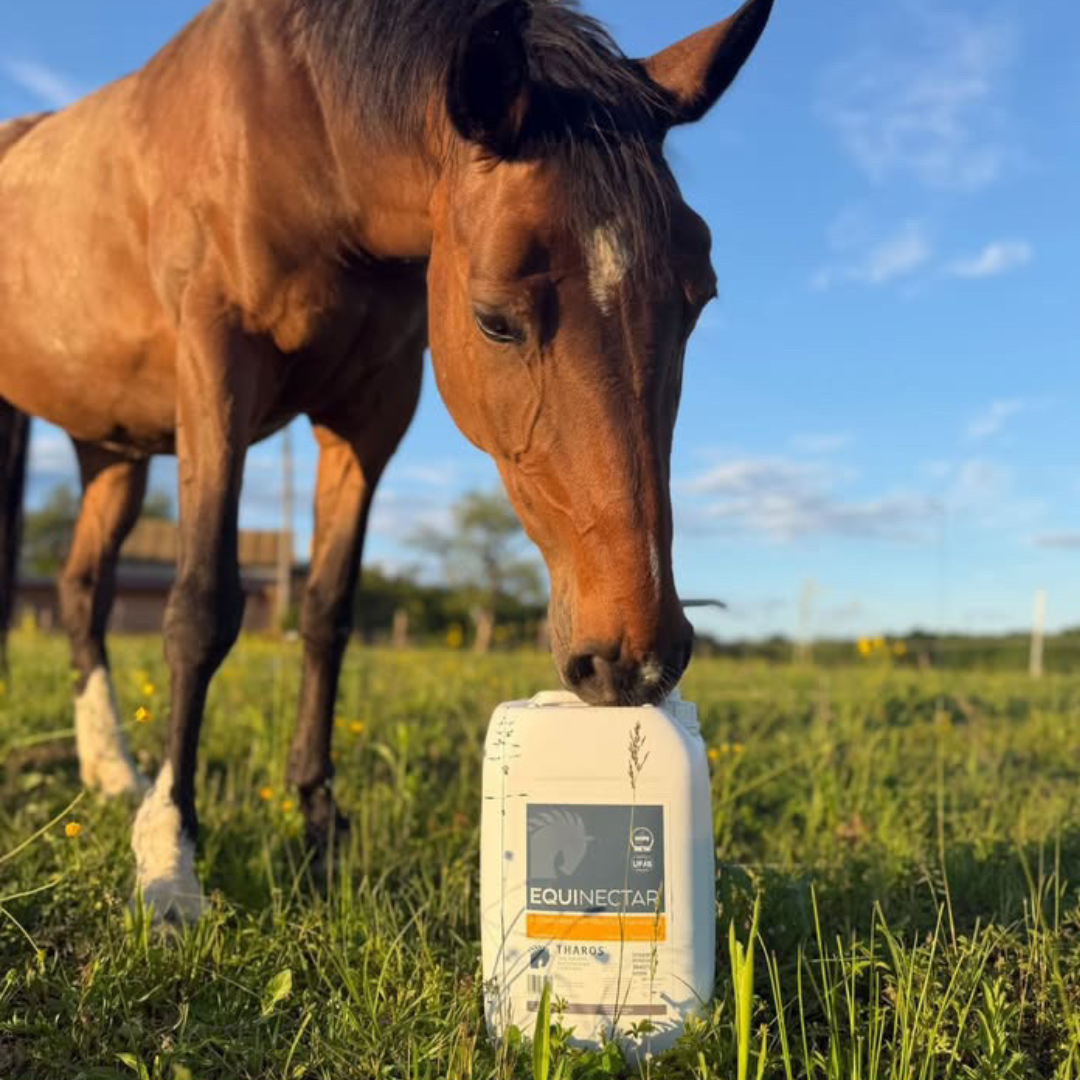
A healthy digestive system plays an essential role in a horse’s overall health, comfort and performance. In this brief and informative interview, equine veterinarian Petra Špetlová explains what hindgut disease is, the signs horse owners should look for and the practical changes that may support better digestive health. It is a helpful guide for every horse owner who wants to better understand and protect their horse’s well-being.
1. Could you tell us a little about yourself and your professional background?
Hi, my name is Petra Špetlová, and I am from the Czech Republic. I have been working as a veterinarian for 14 years, specialising in equine medicine with a focus on reproduction, dentistry and preventive care.
My passion is breeding showjumping horses. I own several broodmares, so the health and preventive care of my horses and foals are very important to me. EquiNectar has been a great benefit to both my horses and my clients’ horses.
2. What is hindgut disease?
Hindgut disease is an intestinal disorder caused by dysbiosis, which can result from poor management. Every horse has unique, individual needs, and the condition can present through a range of clinical signs.
3. Why is the hindgut so important to a horse’s health?
The digestive system is the horse’s largest organ system. It influences overall health, immunity, mental wellbeing and athletic performance.
4. What are the main causes of hindgut problems?
The main causes include poor horse management, excessive amounts of concentrated feed, stress and dietary errors.
5. What are the most common signs of hindgut discomfort?
Common signs include reluctance to work, a distended abdomen, reluctance to move, loose droppings, abdominal discomfort when being touched or saddled, colic, excess weight, poor coat condition, changes in behaviour and laminitis. In my opinion, a compromised immune system may also be a contributing factor.
6. Are there any subtle signs that owners often overlook?
In my experience, subtle signs can include lameness, mild colic, changes in behaviour and reluctance to move. Owners may only begin to notice a problem when their horse starts losing weight.
7. How can hindgut problems affect behavior and performance?
The horse may be reluctant to cooperate or move. It may appear listless, irritable or even aggressive. It may also struggle to utilise nutrients from its feed efficiently and find it difficult to recover after exertion. Movement can become uncomfortable due to excess gas in the intestines.
8. How does hindgut disease differ from gastric ulcers?
The differences can be subtle. From my experience, every horse is different and displays different signs. Sometimes, they can really surprise us. For me, the main signs of a hindgut problem include a distended abdomen, difficulties during the transition from hay to grass and a predisposition to laminitis.
9. What can owners do to support good hindgut health?
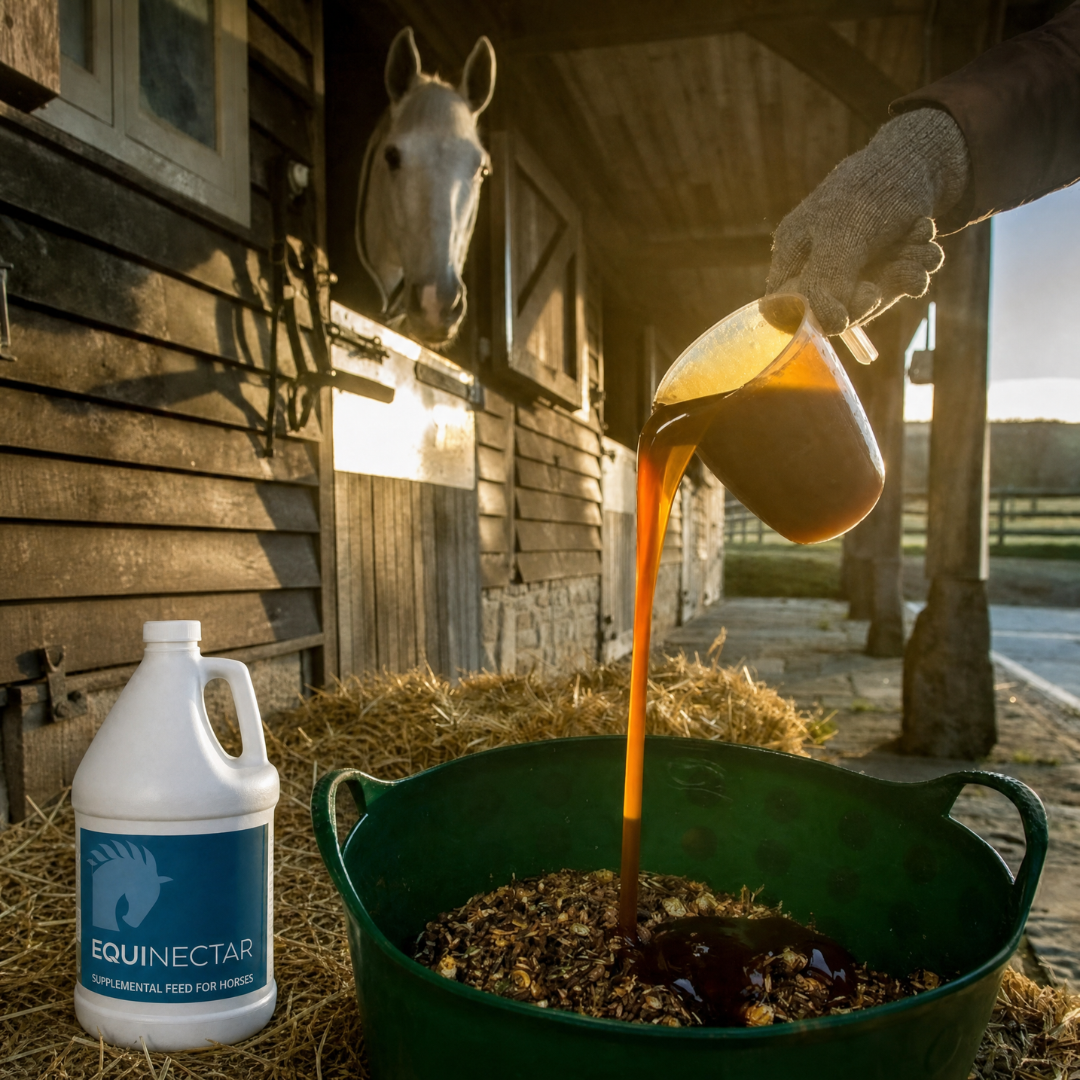
Owners can adjust their horse’s diet, reduce the starch content of its feed, minimise stress, ensure the horse does not go without food for more than four hours and add EquiNectar to its diet.
10. How could EquiNectar support digestion and the hindgut?
Through its enzyme activity, EquiNectar can help modify the environment within the hindgut, helping to create favourable conditions for beneficial bacteria.
11. What is the most important advice you would give owners about protecting their horse’s digestive health?
I would encourage owners to learn about the physiology of the horse’s digestive tract. It is important to notice subtle changes in behaviour, listen to your horse, check its manure, follow your veterinarian’s advice, read feed labels and think carefully about the choices you make.
Share: